


Your Complete Guide to Winterizing Your Vehicle
February 4, 2021
Getting your car ready for winter is vital to keeping it operational during the coldest months of the year. With cold weather creating all kinds of potential problems for cars, preventative maintenance is key.
If you're thinking, "Do I need to winterize my car?," the answer is yes - and soon depending on where you live! Check out this complete guide on how to winterize a car, as well as some important winterizing car tips before you hit the road this season.
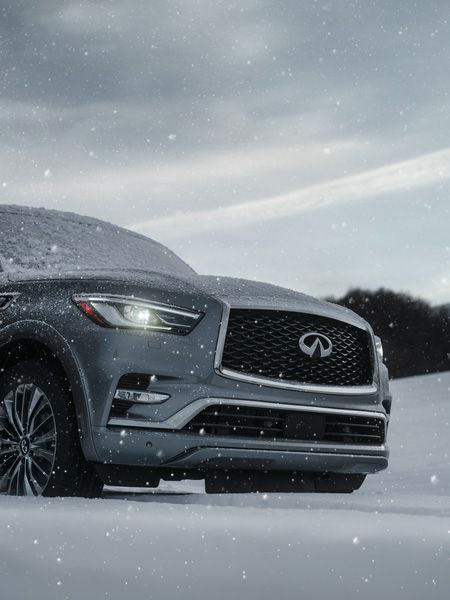
What Does Winterizing a Car Mean?
"Winterizing" is the process of preparing your car to handle the harsh temperatures and driving conditions associated with winter weather. As you'll learn, there are a lot of things to consider when winter-proofing your car.
The best time to winterize your vehicle is before the cold weather sets in - usually mid to late autumn - depending on the climate where you live. That way, you can help prevent some of the worst effects of the seasons damage to your car rather than dealing with constant maintenance in the dead of winter. By the time winter ends, you'll be glad you were proactive about this maintenance
How to Winterize a Car Engine
When preparing your engine for cold weather, the focus is less on engine parts and more on adjusting your engine fluids. Specifically, you want to make sure the motor oil and coolant you're using can stand up to freezing temperatures.
Engine Oil
Cold weather makes engine oil thick and sluggish, which can make it harder for your engine to start. A cold engine that isn't well lubricated cant perform its best. For that reason, its important to use a lighter-weight, low-viscosity motor oil that flows better in cold temperatures.
Most modern cars use motor oil that is suitable across a wide range of temperatures, meaning you may not have to change the type of oil you use if driving in mild winter conditions. Still, if you expect to face subfreezing temperatures, or if your oil happens to be low or dirty, its a good idea to get a pre-winter oil change out of the way. Check your owners manual for recommended oil types and their temperature ranges.
Engine Coolant
The other vital component of winterizing your engine is topping up the coolant with the appropriate level of antifreeze. The coolant that flows through your radiator is responsible for absorbing engine heat. Insufficient coolant - or coolant that isn't properly proportioned with water - can cause serious engine damage.
Keep in mind that your cooling system should be completely flushed approximately once every two years to help prevent corrosion. If you're due for a coolant fluid exchange, its best to get this done well in advance of winters arrival.
Regularly check your coolant levels and top up the reservoir with sufficient antifreeze before winter hits. Coolant is typically bought either full-strength or pre-mixed with water - make sure you know which type you're using before filling the reservoir (and the type your owners manual recommends).
In many cases, a 50/50 ratio will perform just fine in temperatures well below zero, though you may need to use as much as 60 or even 70% antifreeze if you will be facing extreme cold.
How to Winterize Car Tires
Your tires are perhaps the most important part of your INFINITI to prepare for winter. After all, its your tires that keep you connected to the road - and what you depend on to steer, slow down, and stop safely. If your tires have lost too much tread, you may experience reduced traction, handling, and stopping power.
If you experience mild winter conditions where you live, a set of all-season tires should perform well enough. However, make sure you have sufficient tread depth to ensure traction on potentially icy roads. Tires with less than 1/16-inch tread depth can put you at serious risk of hydroplaning in wet conditions and can even be illegal to drive on depending on where you drive.
If you live in an area with more extreme wintry conditions, consider switching out your regular tires for a set of winter tires. Winter tires have a more aggressive tread pattern and specially-formulated rubber designed to grip onto slippery surfaces. You may even want to try attaching tire chains if you expect to drive in heavy snow and ice.
With any set of tires, be sure to keep an eye on the tire pressure. Tires lose pressure when the weather gets colder - about one PSI for every 10-degree drop in temperature. Check your owners manual or the sticker on your INFINITIs door jamb for the recommended PSI for your model, and always ensure each tire is filled to that specification to maintain consistent handling and prevent your tires from wearing out prematurely.
Step By Step: Getting Your Car Ready for Winter
Of course, there's a lot more to winterizing your vehicle than engine fluids and winter tires. Winter can take a toll on all parts of your INFINITI. Inspect the full list of components below to ensure everything is in working order by the time the cold weather sets in.
1. Battery Check
The first thing to check when winterizing your INFINITI is your battery power. Cold weather significantly reduces your batteries cranking power, making it harder to start your car. If your battery is already drained or close to the end of its life, the chances of starting your car in near-freezing temperatures decrease.
If you see any greenish, flaky powder forming around the battery terminals, that's corrosion. Get a pair of gloves and clean it away with a brush and a mixture of water and baking soda to ensure the batteries electrical connection stays strong and your INFINITIs battery parts stay clean.
Consider having your batteries power output tested by a multimeter at your nearest INFINITI service center. If necessary, replace the battery before it dies on you in the middle of winter.
2. Brakes & Brake Fluid
When it comes to winter car maintenance, brakes are right up there with your tires in terms of importance. Brake pads that have worn too thin decrease your cars stopping power. Add in some icy road conditions, and your chances of an accident go way up. One indication that the brake pads need replacing is when they emit an audible squealing noise while driving.
Other signs of brake trouble may include grinding noises when the brakes are applied, a soft or squishy brake pedal, or the car pulling to one side when you press on the brakes. Have your brakes serviced as soon as possible if you are experiencing any of these symptoms. Similarly, have your brake fluid inspected for contaminants that may decrease the effectiveness of your brakes.
3. Motor Oil & Cooling System
Make sure your engine is better able to handle the cold by changing out your current oil with a lighter weight oil that's rated for the temperatures you'll be driving in. If your current oil grade is suitable, consider a timely pre-winter oil change to keep things running smoothly for the next few months.
Similarly, ensure the coolant system is filled with the proper ratio of antifreeze-to-water, depending on the temperatures you'll face. If you're overdue for a coolant fluid exchange, be sure to take care of this ahead of time.
4. Tires & Tire Pressure
Tread depth is vitally important to tire performance. A quick and simple way to determine if your tires still have enough tread is with the "penny test." Place an upside down penny in the tread of your tires; if Lincolns head is partially covered, you still have enough tread.
Check in multiple spots around each tire to detect any uneven wear on the rubber. If your tires are close to losing their tread, consider replacing them anyway to improve safety during winter driving conditions.
Additionally, always inspect your tire pressure after a sharp drop in temperature. They may have deflated by a few PSI and should be reinflated for optimal traction.
5. Wiper Blades & Fluid
When heavy snow is falling and salty road spray is hitting your windshield, good wiper blades are essential. If your windshield wiper blades are leaving streaks or show signs of cracking, its time to replace them. Consider a set of winter wiper blades to get you through the season; they have a protective coating around the blade to cut through ice and snow better than traditional wipers.
While you're replacing the wipers, be sure to top up your wiper fluid reservoir with a winter mix solution. The wiper fluid needs antifreeze properties to help clear away ice forming on the windshield and prevent the fluid lines from freezing. Consider keeping a bottle of wiper fluid handy in your car if you frequently drive in snowy conditions, as you will likely be using a lot of it to keep the windshield clear.
6. Headlights
Another critical aspect of good visibility is strong headlights. Replace any bulbs that have started to dim, and defog your headlight lenses, as foggy lenses can reduce the effectiveness of your headlights by as much as 80% - not an ideal situation while driving in nighttime winter weather. Lenses can be cleaned with an inexpensive defogging kit available at most auto parts stores.
Take a moment to inspect the rest of your lights, including brake lights, blinkers, and hazard lights, and replace any bulbs as necessary.
7. Belts, Hoses, Wires & Cables
Check important engine connections while winterizing your vehicle. Visually inspect components such as your serpentine and timing belts, wiring harness, brake lines, coolant lines, and so on. Look for cracks and wear in belts and wires, leaks in hoses, and sufficient lubrication on cables. Cold weather tends to make these connecting components brittle, so replace any parts that show signs of wear.
8. Paint Protection
If you want to keep your car looking good through the winter, consider applying protective wax after a thorough wash. Icy and muddy streets combined with a constant barrage of corrosive road salt is a surefire way to damage your cars paint job. A fresh coat of wax goes a long way toward keeping the paint intact and preventing rust from forming. If your car has alloy wheels, coat them with wax as well to protect them from pitting and oxidation.
9. Floor Mats
If you're protecting your cars exterior, why not do the same for the interior? You can expect to track mud, water, and salt into your car throughout the winter, so protect your floorboards with a set of rubber, all-season floor mats.
10. Cabin Air Filter
Protecting the inside of your car also means improving the air quality for passengers. Cabin air filter replacements are often overlooked, but if you haven't replaced yours since the summer, chances are its full of dirt and debris. Changing the air filter out can help the air flow through your vents all winter long.
11. Heater & Defroster
Before winter fully arrives, check that your heater and defroster are working properly. With the engine on, temporarily turn the heat to full blast and then the defroster. Schedule repairs before the cold sets in if your car is not heating as expected.
12. Winter Emergency Kit
No car is fully prepared for winter until a winter emergency kit is stowed away in the vehicle. Hopefully, you will never have to use it - but if you find yourself suddenly stranded, you'll be glad to have it.
You can make your own kit by filling a small duffle bag with essential items like jumper cables, an ice scraper, a flashlight with extra batteries, road flares, a blanket, extra warm clothes, and a cellphone charger. Add a prepared emergency road kit from INFINITI to ensure you're ready for anything this winter.
Tips for Winterizing Your Car
Youve completed all the pre-winter maintenance you need. Now you're ready to tackle the years coldest season head-on, right? Well, before driving off toward the next adventure, consider these quick tips for better winter performance.
Keep the Gas Tank at Least Half Full
Keeping at least a half-tank of gasoline in your car throughout winter helps prevent moisture in the fuel lines from freezing up. Plus, with plenty of gasoline in the car, cold weather starts are easier.
Regularly Wash Your Car
It may not be the most comfortable time to wash your car - especially by hand - but regularly washing your car can help protect your paint job, wheel wells, and undercarriage. Take extra care to frequently wash away road salt buildup in the wheel wells and underneath your car to help prevent rust and corrosion.
Let the Engine Warm Up Before Driving
This may seem obvious, but your engine will thank you if you give it a moment to warm up before driving. It doesn't need to be fully heated, just enough to warm up the oil and help it flow smoothly. Usually the time it takes to scrape off any ice or snow on your car is all you need to promote better engine performance.
Lift Up Windshield Wipers At Night
If you keep your car parked outside and snow is expected that night, lift the wipers away from the windshield. This prevents the wipers from freezing to the windshield and gives you an easier time clearing things up in the morning. Don't rely on your wipers to clear solid ice from the windshield as this may overpower the motor. Instead, turn on the defroster and use an ice scraper.
Is Your INFINITI Winter-Ready?
Winterizing your vehicle doesn't have to be a headache. With help from INFINITI Parts, you can get genuine parts and accessories that fit your INFINITIs model, year, and trim to ensure your vehicle is ready for the winter season.
Shop INFINITI Engine Parts Shop INFINITI Battery Parts Shop INFINITI Brake Parts