


Coated Vs. Uncoated Rotors: Which Should You Choose?
July 15, 2022
You know your braking system could use some repairs, so you take out your handy brake maintenance guide and realize you're due for a rotor replacement. You know rotors are an important part of your disc brakes' operation, but did you know there are various types of rotors to choose from? But what is the difference between coated and uncoated rotors? Keep reading to learn what brake rotors are, what a coated rotor is, the average lifetime of brake rotors, and more.
What Are Brake Rotors?
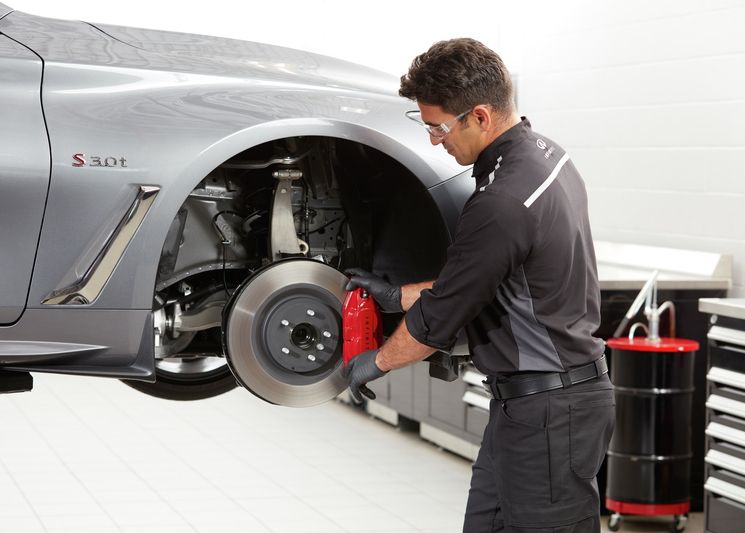
Brake rotors are the metal discs attached to each wheel that are responsible for stopping your vehicle. They're connected to the brake calipers, which apply brake pads to the rotors when you put your foot on the brake pedal. The friction from the pads on the rotors turns kinetic energy into heat energy and slows down the vehicle.
As you might imagine, the heat and friction from the brake pads wear heavily on the rotors over time. General wear, plus exposure to the elements in modern open-air brakes, eventually hurts braking performance by cracking, warping, or corroding brake rotors.
What Is a Coated Rotor?
One way to slow down damage to your brake rotors is to install coated rotors. Whereas many vehicles come from the factory with uncoated, cast iron rotors that tend to rust over time, coated rotors are designed to prevent corrosion. Coated rotors are covered in a polymer finish that extends the longevity of the rotors by protecting the metal surface from moisture-and, therefore, rust.
What Is the Difference Between Coated and Uncoated Rotors?
The difference between a coated and uncoated rotor is-as you might suspect-the coating on the surface of the rotor. While there are a variety of different coatings available, they all serve the same purpose: make your rotors last longer. Standard, uncoated rotors are completely exposed to weather and moisture. As a result, they tend to form rust relatively quickly-especially on the backside of the rotor, where there is less airflow to dry off the metal. Living in a cold, wet climate also tends to wear down uncoated rotors faster due to a mix of near-constant moisture and abrasive road salt tearing into the metal.
On the other hand, coated rotors will prevent corrosion buildup for significantly longer than their uncoated counterparts. While the coating is almost immediately rubbed away where the brake pads contact the rotor, this isn't a problem. The crucial parts of the rotor that should stay coated are the edges and vanes. If these areas become corroded as they often do on uncoated rotors, it may lead to uneven brake pad wear and overheated brakes. With a special coating, however, the edges and vanes stay clear of corrosion, improving airflow, keeping brake parts cooler, and ultimately increasing the longevity of your rotors.
Which Is Better?
So, which should you choose: coated or uncoated rotors? As always, it depends on context. While coated rotors are the more expensive option, they could also save you a lot of time and money on brake repairs-especially if you drive in a lot of cold weather or on wet, salted roads. On the other hand, regular cast iron rotors are more affordable but likely won't last as long. Properly maintaining uncoated brake rotors typically requires brake cleaner, whereas coated rotors don't need any special cleaner.
If you want to optimize your braking performance and don't mind spending a little extra for higher-quality parts that stand up to harsh weather, coated rotors are the way to go.
What Is the Average Lifetime of Brake Rotors?
On average, brake rotors last between 30,000 and 70,000 miles. Why such a significant gap in miles? How long they last depends on several factors, including the type of rotor, driving conditions, and your driving habits. You can expect uncoated rotors frequently driven in wet weather through stop-and-go traffic to last somewhere closer to the 30,000-mile mark. On the other hand, coated rotors in dryer weather and with less-frequent brake use may last upwards of 70,000 miles or more.
You can also measure the lifetime of coated rotors in hours of saltwater exposure. While the industry benchmark suggests coated rotors should be able to withstand at least 300 hours of salt spray exposure, many brands claim to reach 400 hours or more before the rotor coating is damaged.
Ready to replace your brake rotors? Find coated and uncoated options and other OEM-made brake parts at INFINITI Parts & Accessories. Shop online and schedule an appointment at your local INFINITI service center today!
Shop INFINITI Brakes Parts Shop All INFINITI Parts View More Blogs